
Dr. Archana Mal ·
Why Regular Dental Check-Ups Matter
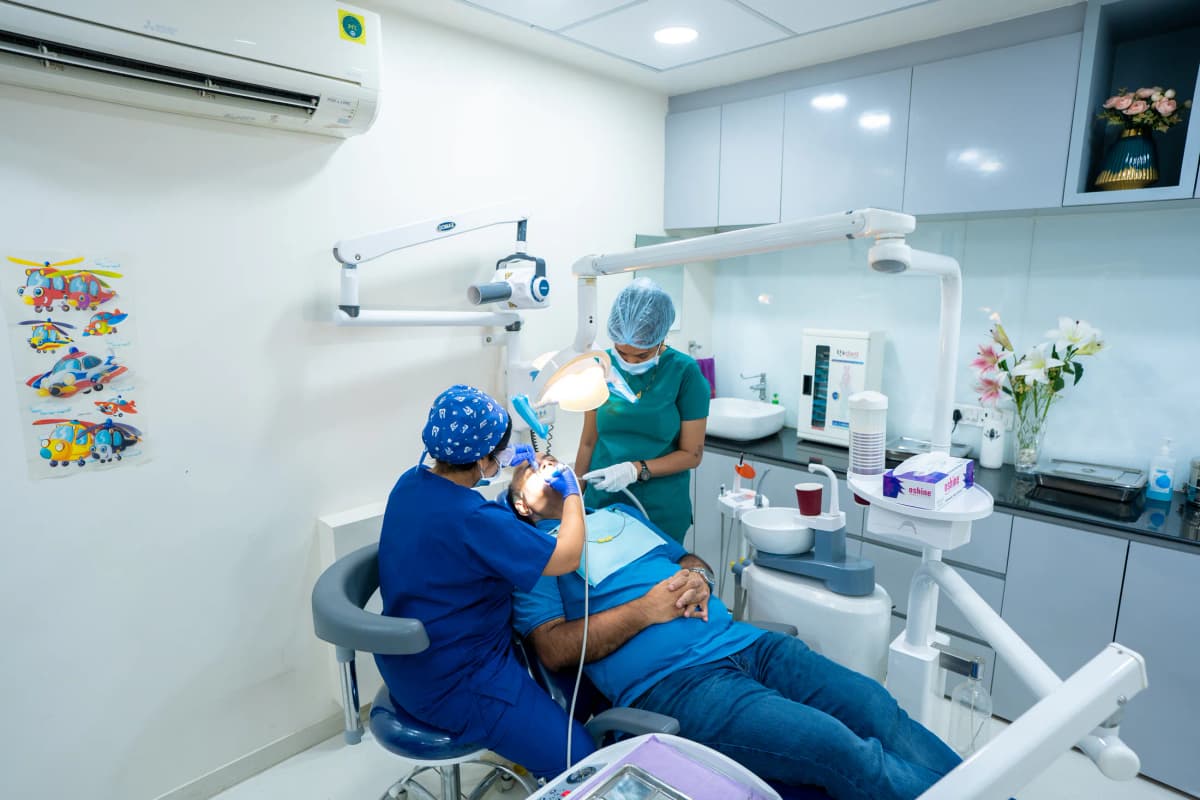
Brushing and flossing are essential, but regular dental check-ups can find concerns you may not notice and help you plan the right care.
Find concerns early
Some dental problems may develop before they cause noticeable pain. During a check-up, the dentist examines your teeth, gums and mouth and asks about changes you have noticed. They may recommend an X-ray when it is useful for checking a specific area or planning care; X-rays are not automatically needed at every visit.
Finding a concern earlier can give you more time to understand your options. It does not mean every problem can be prevented, and the right care depends on what the examination shows.
Professional cleaning removes tartar
Daily brushing and cleaning between your teeth help remove plaque, but plaque can harden into tartar in areas that are difficult to reach. A toothbrush cannot remove hardened tartar. A dental professional can check for build-up and discuss whether a professional cleaning is appropriate.
The aim is to support healthy teeth and gums, not to replace your home routine. Your dentist can also show you how to clean areas that are easy to miss and suggest tools that suit your mouth.
Check your gums as well as your teeth
Gum disease may begin with redness, swelling or bleeding. These changes can be easy to dismiss, especially when they are not painful. At a check-up, a dentist can assess your gums and explain whether the signs need further care.
If gum problems are left unchecked, they can affect the tissues that support the teeth. Regular assessment can help you understand what is happening and discuss appropriate steps before a concern becomes more difficult to manage.
Oral health is part of overall health
Your mouth is part of your overall health. Some health conditions and medicines can affect your teeth, gums or saliva, and oral symptoms may need attention alongside other health needs. Tell your dentist about relevant health changes and the medicines you take.
A dental check-up is not a general health screening, and it cannot guarantee protection from other health problems. It is an opportunity to discuss your oral health and get advice based on your circumstances.
Choose an interval that suits you
A visit every six months is a familiar routine, but it is not the right schedule for everyone. The time between check-ups can depend on your oral health, risk of dental problems and your dentist’s advice. Some people may need to be seen more often; others may be advised to wait longer.
Do not wait for a routine appointment if you develop ongoing tooth pain, swelling, a broken tooth or another urgent concern. Contact a dental clinic and ask what to do next.
Make the most of your visit
Before your appointment, note what has changed and when it started. Bring a list of medicines and any questions about sensitivity, bleeding gums, cleaning, treatment choices or costs. This helps you use the appointment to discuss the things that matter to you.
Timely advice may help you understand a problem and consider simpler options, although costs and treatment needs vary. This article is general information, not a diagnosis or a personal treatment plan.